The current industries are going through a transition where efficiency, speed, and flexibility are not options anymore, they are mandatory. The conventional infrastructure is typically slow and expensive to modify and is unable to cope with the requirements of distributed operations and real-time insights. ScalerPi brings a new view to the table by combining edge-computing with practical engineering. This allows for solutions that scale.
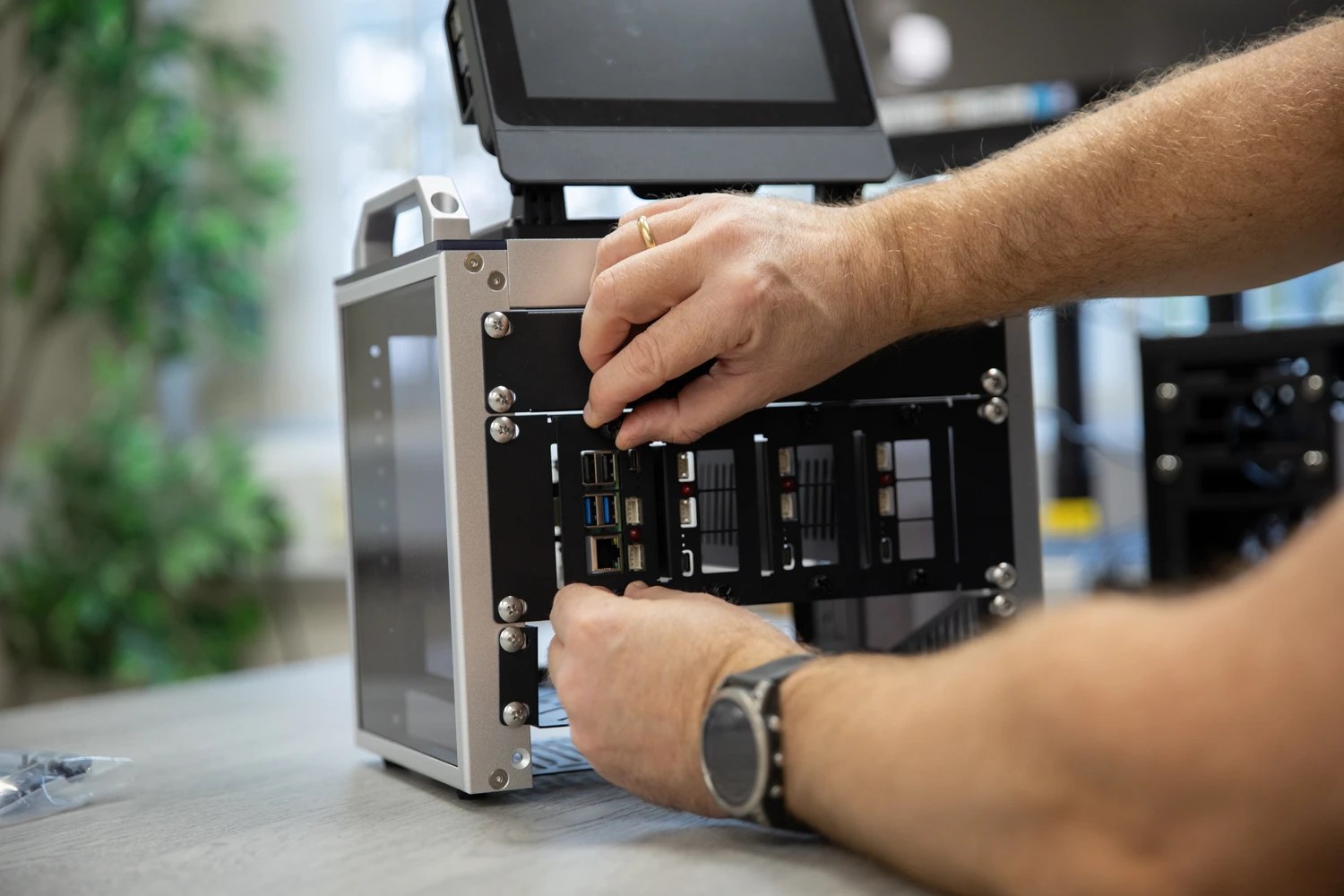
This evolution is centered around industrial automation using Raspberry Pi. It allows businesses to think differently about how they create and manage their systems. Businesses can set up powerful small, light-weight devices directly in the data source, instead of relying solely on heavy, centralized hardware. This reduces the amount of latency and gives teams the ability to react quickly to changes in the environment.
Data for Action at the Edge
The most significant benefit of edge computing is the capability to process data locally. In many industrial environments it is not practical to wait for cloud-based systems that respond is just not practical. ScalerPi helps with this by offering infrastructure that operates independently but still integrates with larger systems as needed.
The most important component of this setup is the industrial Raspberry Pi IoT gateway, that acts as the primary link between devices and applications. It enables seamless communication between sensors, software, and machine platforms. This allows users to monitor operation in real-time, identify problems early, and ensure an even performance across several locations.
This capability can be transformative for industries such as environmental monitoring and logistics. The systems are capable of functioning in areas that have low connectivity or in remote areas to ensure that data and operations remain accessible.
Compact Power for Demanding Environments
One of the most difficult issues in industrial computing is the balance of efficiency and practicality. Large servers may offer energy, but they usually cost a lot as well as energy consumption and restricted flexibility. ScalerPi overcomes this with industrial Raspberry Pi servers that deliver reliable computing in a compact, energy-efficient form.
They are designed to function in real-world scenarios where space and power are very limited. If they are installed in a factory or a retail outlet or a remote monitor station, they offer consistent performance, without the requirement for a complex infrastructure. The modularity of their systems permits gradual expansion, which allows businesses to keep pace with the needs of the moment.
The small industrial Raspberry Pi server module offers even more versatility. The servers are designed to withstand extreme conditions and offer advanced processing along with durability. These servers are ideal for applications requiring continuous operation like smart cities or industrial automation systems.
Flexibility through Containerized deployment
Modern infrastructures need to be flexible which is where containers play a crucial function. ScalerPi incorporates industrial Raspberry Pi docker environments to enable an efficient and flexible management of applications. Docker lets businesses launch, upgrade and scale applications quickly, without affecting existing processes.
This approach simplifies the development process and assures consistency between different deployments. The applications can be tested in one environment before being seamlessly transferred to another environment, decreasing the chance of making mistakes and increasing overall reliability. This type of control could be extremely valuable for businesses who manage multiple sites.
Containerization can also be a tool for innovating. Teams can explore new services or features without affecting existing systems, which makes it easier to stay ahead in competitive industries.
Practical Solutions in a Variety of Industries
ScalerPi is a powerful instrument since it is adaptable to a wide range of industries. For manufacturing industrial automation, the Raspberry Pi can enable predictive maintenance, helping reduce downtime and improve efficiency. The machines are able to transmit and share data in order to create a more connected and intelligent working environment.
In the field of agriculture, edge technologies assist in smarter farming methods. Sensors can monitor the conditions of soil, weather patterns and the health of crops, making it easier for farmers to make informed decisions that boost yields while conserving resources.
Retail and hospitality can benefit from understanding customer behavior in real-time. Companies can enhance their operations while improving customer satisfaction. From digital signage and queue management, to the use of digital signage, businesses are able to improve the customer experience. Public sector projects like smart cities depend on cutting-edge technology for tasks such as environmental monitoring and asset tracking.
Interconnecting Hardware and Cloud with confidence
ScalerPi’s ability to bridge physical devices with cloud-based systems is the reason it stands out. Combining hands-on hardware experience with the latest cloud technologies makes a platform that can support local processing, as well as central management.
Businesses can expand without increasing complexity. Whatever your needs, whether you’re beginning with a small number of devices or expanding to thousands of devices the infrastructure you have in place will be in control, safe, and cost effective. The transparent pricing system and modular designs further simplify the process. Businesses can focus on innovation, rather than operating issues.
A Future-Ready Approach to Industrial Technology
As the development of industries continues, the demand for efficient and flexible infrastructure will rise. ScalerPi can be a solution which will meet these demands through combining edge computing power with Raspberry Pi technology.
Every component, from industrial Raspberry Pi Servers, advanced IoT gateways and containerized apps is built to be scalable and functional. The infrastructure does not only meet current business requirements, but also prepares for the future challenges.